A personal story of unanswered questions, discovery, resilience and advocacy
“I knew I was different, but I did not know why. Learning the name of my condition helped me begin to understand myself.”
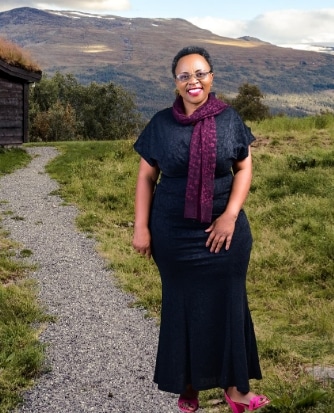
I am Deborah Linda Nzisa, and I am a businesswoman. I run three ventures from Mombasa: I crochet, supply tenders, and sell perfumes. I am also a youth leader representing young people with spina bifida, a gospel singer, and currently am modeling for inclusion of beauty and disability in the fashion industry. Through my advocacy, I draw on my own hard-won lessons to support and empower others.
A Childhood Full of Questions
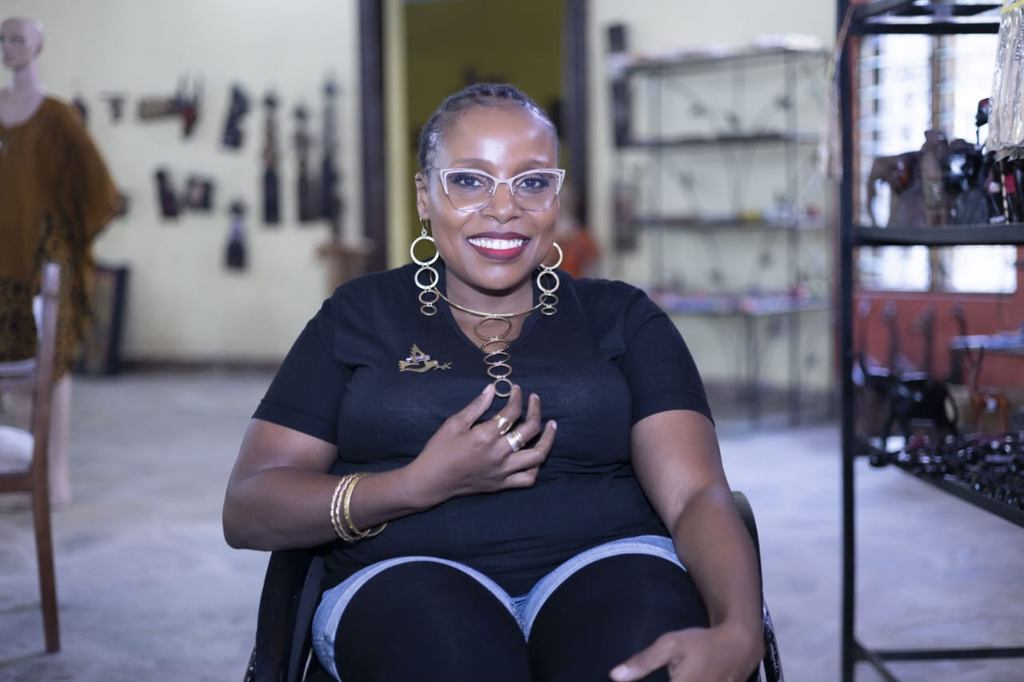
When I was born, my parents were told that I had a “scar.” They were not given a clear explanation of the condition I was living with or what it might mean for my future. As I grew up in Mombasa, I began to notice that my body worked differently from those of other children, but I did not know why.
One of my biggest challenges was controlling my urine. I could not understand why I struggled to hold it, and for years I had no clear answer. I remember asking my mother why I was different. She would tell me that I was unique. I know she wanted to comfort me, but as a child, I needed more than reassurance. I wanted to understand what was happening to my body.
School was particularly difficult. I was the only child I knew who experienced these challenges. When I had an accident, other pupils noticed and gave me a painful nickname: “Kikojozi,” a Swahili term used to describe someone who urinates on themselves. I did not understand my condition, and I could not always control what was happening, yet I was mocked for it.
Sometimes I had to go home to change before returning to school. Some teachers misunderstood these trips and treated them as though I was receiving special privileges rather than responding to a personal care need. Repeated moisture and friction also caused painful sores.
My parents tried to help by making a special seat to reduce pressure on the affected area and give the wounds a chance to heal. But even that support was misunderstood. One of my mathematics teachers thought I was too comfortable on the special seat. When I performed poorly in mathematics, the teacher blamed the seat and made me sit on an ordinary one as punishment, even though it caused discomfort.
Those experiences taught me how deeply a lack of understanding can hurt a child. What I needed was information, care and accommodation. Instead, I often felt ashamed of something I did not understand and could not easily control.
Embraced and loved
My childhood was not only made up of embarrassment and pain. There were few childhood friends who helped me feel accepted and reminded me that I was more than the challenges I faced.
One was the school headboy, who seemed to have a crush on me. At a time when other girls were competing for his attention, his interest made me feel special. Whenever I had an accident and needed to go home to change, he would escort me. His actions may have seemed small, but to me they meant a great deal. Someone was willing to walk beside me when I could easily have felt rejected.
I also had a friend named Florence. She played with me and joined me in games with other children in the neighbourhood. We laughed, socialised and enjoyed the simple things children should be able to enjoy. Those friendships did not make my condition disappear, but they made my world less lonely. They gave me space to be a child with friends, interests, feelings and dreams.
Finding Belonging at School
As my challenges continued, my family moved me to a special school in Port Reitz, Mombasa, and I later joined Joytown Special School. For the first time, I was among children with different disabilities and experiences. I began to understand that I was not alone.
Until then, I had spent much of my childhood wondering why my body was different. At special school, I met other children who were also navigating a world that did not always understand or accommodate them. Being among peers with disabilities gave me a sense of belonging. I began to see that my experiences were not a personal failing.
My education became part of my journey towards understanding myself. Looking back, I wish every child could receive accurate information about their condition and have teachers who understand that different needs are not signs of laziness, privilege, or poor behavior.
Finally understanding spina bifida
For years, I knew what I experienced every day, but I did not know what to call it. I had questions about my body and no clear answers. Through my interaction with SHAK, the Spina Bifida and Hydrocephalus Association of Kenya, I learned that I had spina bifida.
Discovering the name of my condition was a moment of clarity after years of uncertainty. It helped me begin to understand why I experienced bladder-control difficulties and what I could do to manage my health and personal care. I finally had language for something that had shaped so much of my childhood.
Through this network, I also met Carol Wanjira, who coached me on catheterization. One of the most important things I learned was clean intermittent catheterization, commonly known as CIC. It involves using a catheter at intervals to empty the bladder when it cannot empty effectively on its own. With appropriate training and hygiene, it can help manage bladder problems and reduce the risk of kidney complications and frequent infections.
Learning CIC changed my life. It gave me a practical way to manage my bladder, maintain my hygiene and move through daily activities with greater confidence. I no longer had to live with the same constant fear of unexpectedly losing control of my urine. The knowledge helped me become more independent.
For me, SHAK offered much more than information. It gave me an explanation, practical skills and a community of people who understood what I was going through. It answered questions I had carried since childhood.
Managing Spina Bifida in Everyday Life
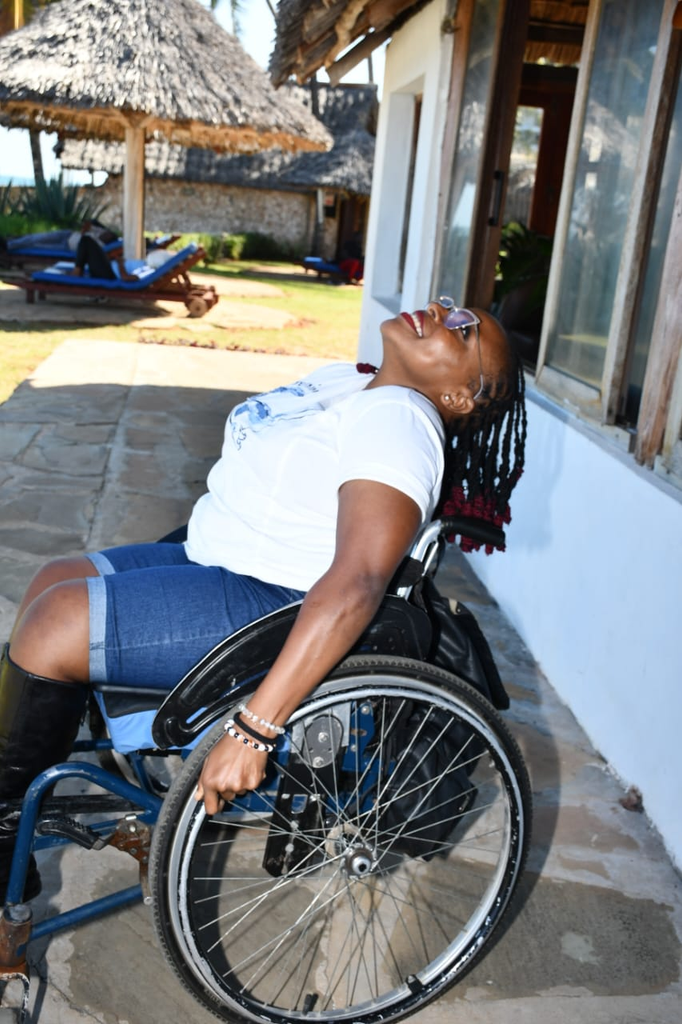
Understanding my condition did not mean that every challenge disappeared. After completing secondary school, I went to college and eventually entered the workplace. I was building a life beyond the limitations and assumptions that had surrounded my childhood, but managing spina bifida continued to require planning and adaptation.
I remember developing a severe infection after facing difficulties maintaining appropriate hygiene while using a catheter at work. When someone needs to catheterize during the day, access to a clean and private place is essential. Without it, routine personal care can become difficult and potentially unsafe.
I learned to plan ahead when travelling to unfamiliar places. Depending on the situation, I sometimes carried extra protection, including adult diapers, in case suitable facilities were unavailable. These are practical realities that people may not think about when they discuss disability inclusion.
Inclusion must go beyond ramps and accessible buildings. It should also include accessible toilets, privacy, hygiene, appropriate healthcare, and the facilities people need to manage personal care safely. Independence does not mean doing everything without support. It means having the knowledge, resources, and environment to participate in life with dignity.
Growing and Adapting as My Needs Change
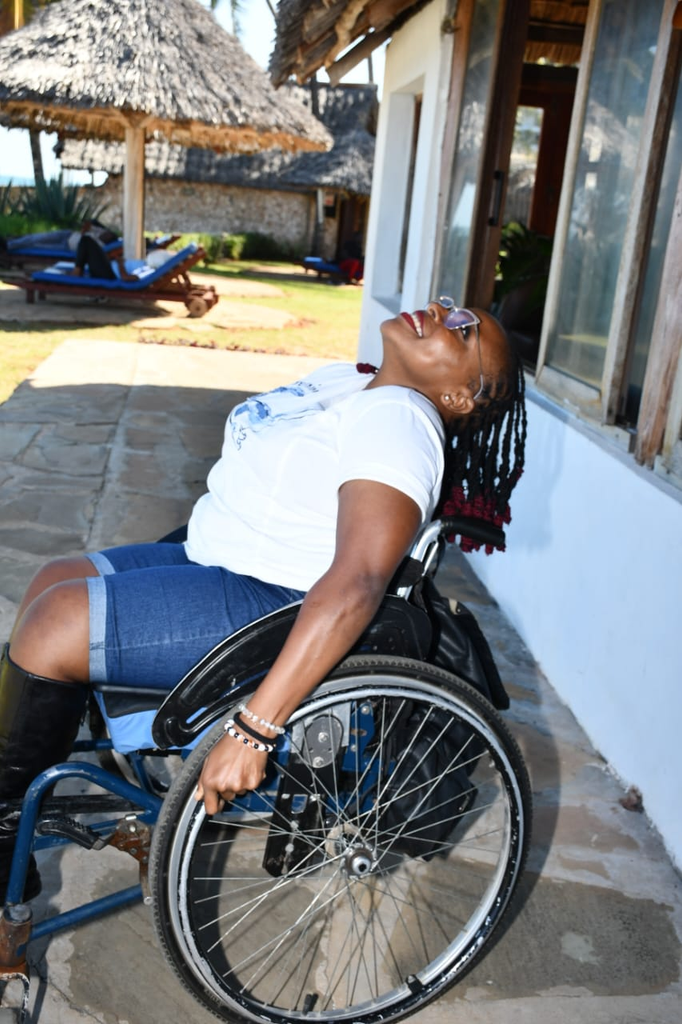
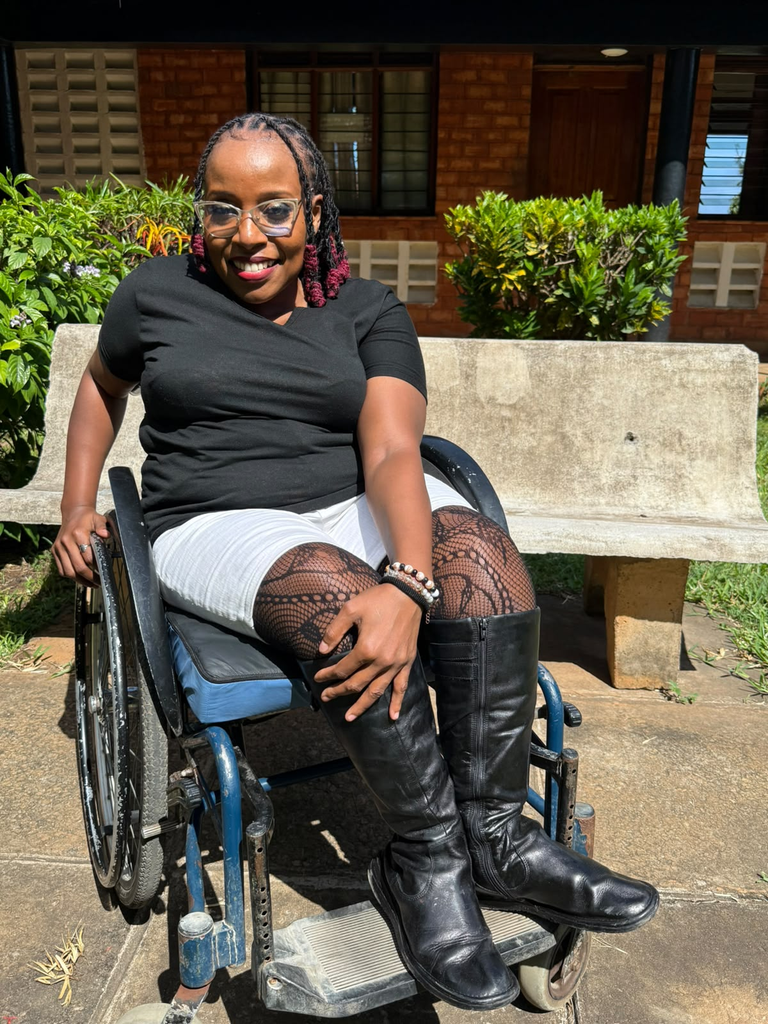
In 2020, I began experiencing numbness in my legs. Over time, my mobility needs changed. I had previously relied on crutches, and I now also use a wheelchair to support my mobility. More recently, I was advised to use calipers, or leg braces.
These changes have brought another dimension to living with spina bifida: learning to adapt as my body and needs change. I am sharing my experience because people with spina bifida grow older, and their healthcare and mobility needs may change throughout their lives. Experiences vary from person to person, and new symptoms such as numbness need appropriate medical assessment rather than being automatically attributed to ageing or spina bifida.
Using different mobility aids is another adjustment in a life that has already required me to learn, adapt and find solutions. A wheelchair does not take away my identity, ambitions, or ability to contribute to society. I continue to pursue my goals and value the relationships that give my life meaning. I am learning, once again, that adapting does not mean giving up.
Love, Relationships, and Recognizing Red Flags
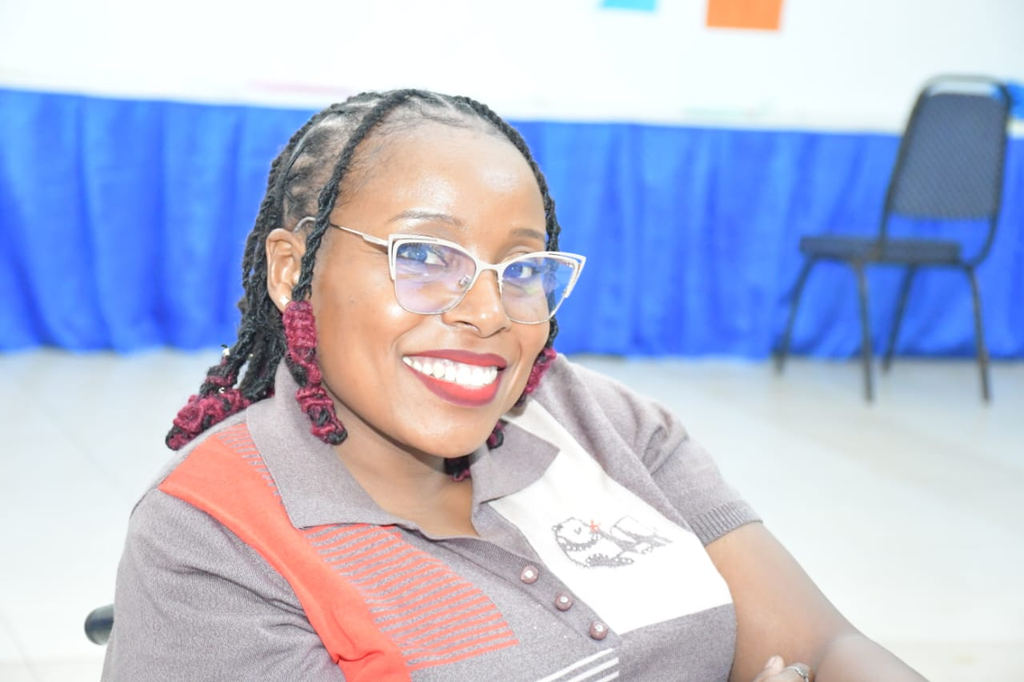
Like many women, I have hoped to find love, companionship, and someone with whom I could share my life. My experiences have taught me that not every relationship is healthy and that wanting to be loved should never mean compromising my safety or dignity.
My first relationship opened me up to domestic violence and homicide incidents. The man I was dating became jealous and possessive. At one point, he threatened to kill me if he found me hugging another man. I recognised that this was a serious warning sign. I did not see possessiveness or threats as proof of love. I knew that no relationship was worth risking my safety, so I ended it.
Years later, I experienced another heartbreak. I had been dating a man for three years and believed we were in a meaningful relationship. Then, during a phone call, he introduced me as his cousin while speaking to another woman. That moment made me look more closely at things I had been trying to swipe under carpet.
He always walked some distance away from me in public, unlike how couples or people in love naturally do, as though he did not want to be seen with me. He never introduced me to his friends or made an effort to meet mine. He would visit me late at night and leave early in the morning, and I was never invited to his home. When we went out, I often paid the expenses while he gave different explanations for why he could not contribute. He also sometimes wore sunglasses in public, which now i realize he was trying to conceal his identity.
Taken together, these experiences made me question whether the relationship was as genuine and mutual as I had believed. After three years, I felt I had been investing in someone who was not willing to acknowledge me openly or offer the same commitment and respect. In my own words, it felt as though I had been dating myself.
Reflecting now, I know what I want and what I will no longer accept. I do not want to be someone’s secret or carry the emotional and financial responsibilities of a relationship alone. My disability does not make me less deserving of love, and it does not mean I should accept less than I deserve.
My Message to Young Women With Disabilities: You Are Already Whole
One message I want every young woman to hear is this: you do not need anyone to complete you. Take time to discover who you are, develop your talents, build your confidence, and work towards financial independence. A romantic relationship should not be treated as the missing piece that makes your life valuable.
Women with disabilities sometimes receive the harmful message that they should be grateful for any attention or relationship they get. That attitude can make it harder to recognise unhealthy behaviour or leave a situation in which they are being disrespected. Having a disability does not mean we must tolerate dishonesty, humiliation, controlling behaviour or abuse to avoid being alone.
We have the same right as anyone else to seek fulfilling relationships, set boundaries, expect honesty and walk away when a relationship is harmful. We also have the right to remain single while building our lives and deciding what we want from a partner.
I remain open to love. I hope to meet someone who appreciates me for who I am, acknowledges me openly and wants to build a relationship based on mutual respect. For now, I am focused on personal growth and strengthening my financial independence.
My advice is to pay attention to how someone treats you, trust your judgement when something feels wrong and remember that genuine love should not require you to hide who you are. It is better to be single and at peace than to stay in a relationship that diminishes your dignity or puts your safety at risk. My worth is not determined by my relationship status. I am already whole.
Turning My Experience Into Advocacy
Today, I am a youth leader in Mombasa, an entrepreneur, a musician and an advocate for spina bifida awareness. My journey has taken me from a childhood in which I struggled to understand my own body to a life in which I can help others access some of the information and support I once needed.
When I think about my childhood, I often wonder how different it might have been if I had received accurate information about my condition earlier. What if my teachers had understood why I needed a special seat? What if my classmates had been taught not to ridicule me? What if I had learned about bladder management before years of embarrassment and uncertainty had passed?
Awareness is not simply about teaching people the name of a condition. It is about helping families, teachers, healthcare professionals, employers and communities understand what living with that condition can involve. Children need accurate information and appropriate care. Adults need access to healthcare and suitable personal-care facilities. People with spina bifida should be able to participate in education, employment, relationships and community life without unnecessary barriers.
Many of the barriers I faced were made worse by a lack of information, stigma, inadequate support and environments that failed to accommodate my needs. I want to use my experiences to contribute to a wider conversation about disability, dignity and inclusion. People with disabilities should not have to become advocates before they receive the information, respect and support they deserve. They deserve these things from the beginning.
My own experience brings a personal perspective to this work. I know what can happen when a child grows up without answers, and I know the difference that education and community can make. The goal is not simply to make spina bifida more visible. It is to improve the lives of people who live with it.
My Journey Is Still Unfolding
When I look back, I see a journey marked by unanswered questions, embarrassment, physical pain, friendship, discovery, heartbreak and growth. I remember the child who wondered why she could not control her urine, the girl who was mocked at school, the friends who helped her feel loved, and the young woman who finally learned the name of her condition.
I also see the woman I am today: an entrepreneur, musician, youth leader and advocate who continues to build her life, adapt to changing mobility needs and use her experiences to raise awareness. My life is not defined by the nickname I received as a child, the pain I experienced or the relationships that did not work out. I am still learning, growing and finding my voice.
I want children with spina bifida to receive the information I did not have. I want families to offer answers rather than silence, schools to respond with understanding rather than punishment, healthcare systems to support people throughout their lives, and communities to recognise the abilities and contributions of persons with disabilities.
Above all, I want young women to know that they are already whole. They do not need a man to complete them, and they do not have to accept secrecy or humiliation to keep a relationship. They can pursue their ambitions, build financial independence and expect to be loved and respected.
My journey with spina bifida has included challenges, but it has also brought friendship, knowledge, creativity, faith and purpose. I am still writing my story—through the music I create, the community I cherish, the independence I continue to build and the voices I hope to empower. I hope that by sharing my experience, someone else will find the answers, understanding and encouragement they need.