
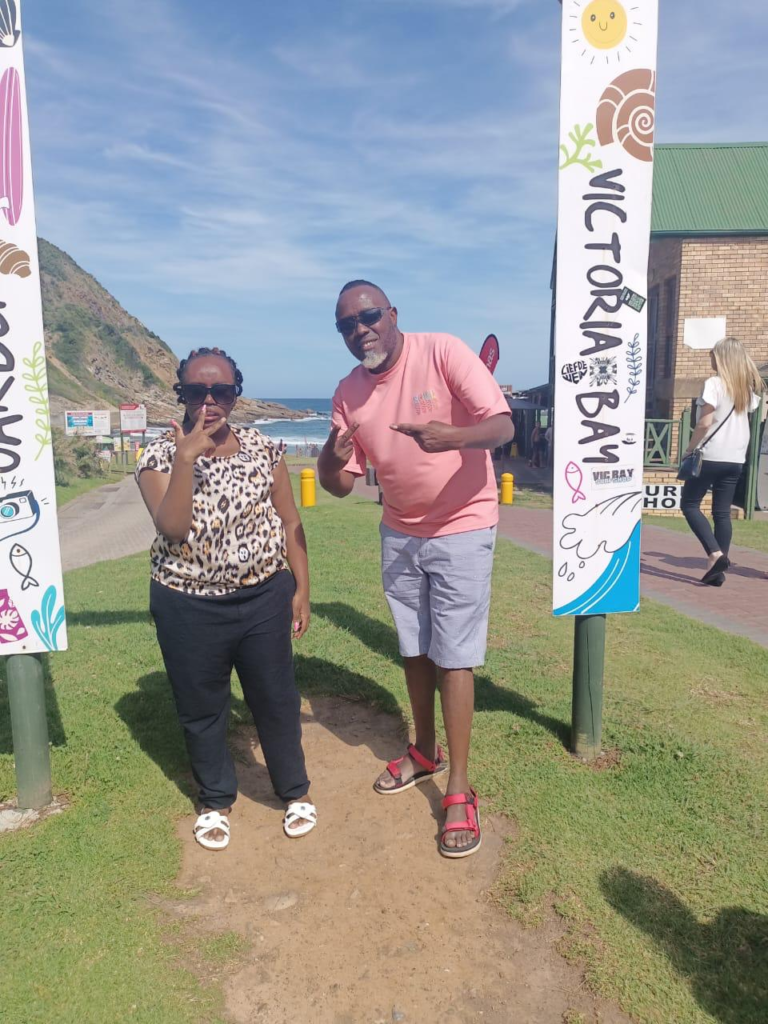
Like many expecting fathers, Martin Kilavi once stepped into fatherhood with dreams, hope, and quiet excitement about the milestones ahead. He envisioned a future shaped by the familiar rhythms of childhood : first words, first steps, school achievements, and steady growth along the expected path. However, fatherhood soon took an unexpected turn, introducing him to a journey that would challenge his expectations and redefine his understanding of love, strength, and purpose.
When his children were diagnosed with multiple neurodiverse conditions, including autism, the dream of linear growth gave way to a more complex and deeply human reality. What emerged was not a story of loss, but one of courage, resilience, and unwavering commitment. Martin’s journey reflects the truth that parenting beyond diagnosis requires more than care; it calls for presence, patience, advocacy, and a love that chooses to remain steadfast in every season, We had a one on one with Martin and this is what he refined his parenthood journey,
1. Tell us about yourself and one unique thing that marks your parenthood journey.
My name is Martin Kilavi. I am a father, a therapist, and the founder of Auschidys Disability Africa, a platform born out of a deeply personal journey. Beyond these roles, I am a man whose life was profoundly transformed by the privilege of being a father to two remarkable children, Joshua and Sarah, who have autism, dyslexia, and schizophrenia.
What makes my parenthood journey unique is the way these two children have taught me the true meaning of love, not the loud, celebrated kind, but the quiet, patient, and enduring kind that shows up every day. Our journey has not been easy. We have faced tears, misunderstanding, stigma, and moments of deep invisibility. Yet through it all, I have discovered a strength I never knew I had and a purpose greater than myself.
Raising them has been challenging, but it has also been the most meaningful experience of my life. Their smiles and every small step forward are miracles I do not take for granted. They have taught me to slow down, listen more deeply, and remain present. My hope is that our story will encourage another parent who may be struggling to believe that tomorrow can still be beautiful.
2. In our African setting, many men leave or abandon children with disabilities.Tell us why you chose to stay with your children, and share a word to men or parents who abandon children due to disability.
I did not choose my children because they were easy. I chose them because they are mine and it is the right thing to do.
When my children were diagnosed with autism, schizophrenia, and dyslexia, everything changed my marriage, my finances, my plans, and even my health. I lost friends, opportunities, and comfort. But one thing never changed: my responsibility and love as a father.

In many African communities, disability is still wrongly treated as a curse, a mistake, or a source of shame. Some men are taught that strength means walking away when life becomes difficult. I learned the opposite: true strength is staying, even when you are afraid, confused, and exhausted.
My children did not choose this journey. They did not ask to be born with disabilities. So how could I abandon them because of something beyond their control? As a father, I am their first protector, their first believer, and in many ways, their first voice. Walking away was never an option for me.
Today, seeing them grow into young adults, being recognized internationally, nominated for global awards, and breaking stereotypes about disability has affirmed that staying was the most important decision I ever made.
To any man or parent who has walked away, or is considering doing so, I want to speak honestly and without condemnation: disability is not the end of your legacy — abandoning your child is.
Your child does not need a perfect father. They need a present one. Your presence matters more than money, more than answers, and more than strength. Simply staying changes everything.
When you leave, you do not escape pain; you transfer it to an innocent child and carry silent regret with you. When you stay, you grow. You heal. You redefine manhood for the next generation.
Let us change the African narrative. Let us raise sons and daughters who stay. Let us teach that fatherhood is not proven by running away, but by remaining.
Children with disabilities are not a burden. They are teachers of patience, love, humility, and purpose. I stayed, and it saved not only my children, but me.
3. How did you discover Sarah and Joshua’s talent, and what motivated you to support their music career dream? What sacrifices have you made along the way?
Discovering Sarah and Joshua’s musical talent was not a sudden event; it unfolded gradually at home. From a very young age, I noticed how they responded to music. Even when words were difficult, melodies were not. I often found them humming along as I led praise and worship at home. Music became our shared language — a sacred bond between us.
As a worship leader in church, music has always played an important role in my life. So I naturally introduced them to it, not knowing it would become their safe space and their voice to the world. What moved me most was seeing how, despite living with autism, dyslexia, and schizophrenia, they could connect to rhythm and harmony in such a pure and healing way.
That gift led me to seek the support of Helen Mtawali, one of Kenya’s respected vocal coaches. She recognized the spark in them and took them under her mentorship. Her guidance helped build their confidence and sharpen their skills. As a result, they were nominated for the Sing International Awards in South Africa, which remains one of the proudest moments of my life.
This journey has required many sacrifices — financial, emotional, and spiritual. At times, I have set aside my own needs, sold property, skipped meals, and turned down opportunities so they could have a chance to be heard. There were days we traveled long distances for vocal training and nights I stayed awake praying through their meltdowns and rehearsals.
I have also had to advocate for them in spaces that did not understand them, protect them from stigma, and push through systems that were never designed with them in mind. But I would do it all again. Supporting their musical dreams has been about more than talent; it has been about helping them find their voice in a world that often tries to silence children with disabilities.
4. What are some of the biggest challenges you have faced as a parent raising and nurturing the talents of children with autism?
Raising and nurturing the talents of children with autism has been a journey marked by both love and difficulty. One of the biggest challenges has been stigma. Autism is still widely misunderstood in many African communities. At times, people saw my children’s struggles but not their strengths. We were whispered about, avoided, and even advised to hide them. That kind of pain isolates a parent and makes you wonder whether society will ever truly embrace neurodiversity.

Another major challenge has been the lack of inclusive education. For a long time, it was difficult to find schools that could accommodate Joshua and Sarah, not only academically but also emotionally and socially. Many institutions were not prepared to support their needs, and we faced repeated rejection. Even in places that accepted them, there was often little understanding of how to support the way they learn or express themselves.
There has also been the cost of nurturing their gifts. Music training, therapy, and mental health support require significant resources. As a single father, I have had to make painful choices, including selling property and giving up personal comfort, to ensure they had the support they needed.
The emotional toll has also been heavy. Autism does not follow a straight path. There are days filled with joy and music, and there are days that feel overwhelming. Meltdowns, withdrawal, self-doubt, and uncertainty about the future can drain a parent emotionally. In those moments, I have had to lean on faith, small victories, and the deep love I have for my children.
Still, I have learned that my children are not a burden. They are a blessing. They have taught me patience, faith, and a new way of seeing the world. My role is not to fix them, but to fight for a world that recognizes their worth and makes room for their light to shine.
5. What has been your most outstanding wow experience in Sarah’s and Joshua’s lives?
My most outstanding “wow” moments have come from watching my children become more than the labels placed on them.
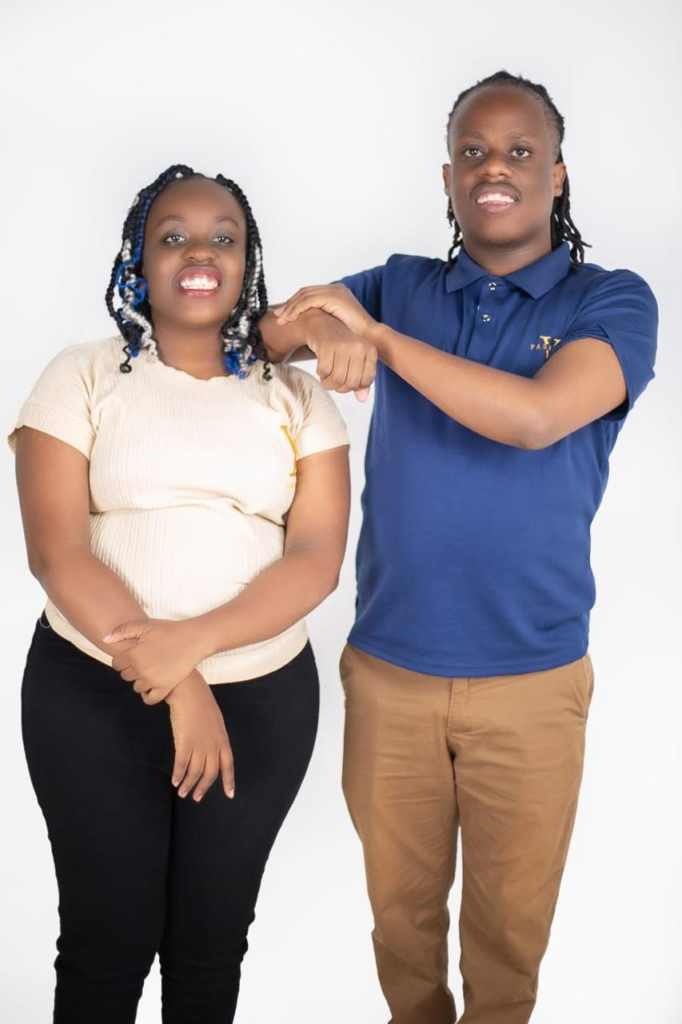
In the early days, doctors, teachers, and even well-meaning people spoke in limits about what Sarah and Joshua would never do, become, or achieve. As a father, that was painful, but it also awakened something in me. I chose to believe in possibilities where others only saw diagnosis.
Watching Sarah grow into a confident young woman, gifted in music, leading praise and worship, and being nominated for an international award to represent Kenya on a global stage was a moment I will never forget. Standing quietly in the background and seeing her shine reminded me that disability did not silence her voice — it refined it.
With Joshua, my greatest “wow” moments have been in his quiet determination. Seeing him acquire life skills, train as a chef, and grow into a young man who is responsible, disciplined, and proud of his work has been deeply moving. His progress reminded me that success has many forms and that independence looks different for every child.
What makes these moments so powerful is remembering where we began — confusion, stigma, fear, and isolation — and comparing that with where we are now: confidence, purpose, and hope. Every time I see them standing tall in a world that once doubted them, I am reminded that staying, believing, and nurturing potential is never wasted.
6. What advice would you give to other parents of children with autism who may not know how to support their children’s talents?
If I could sit with every parent of a child with autism, I would first say this: you are not alone, and your child is not broken. Every child comes into the world with purpose, potential, and something uniquely beautiful to offer. The challenge is often not the child, but the systems, perceptions, and support around them.
My advice is simple:
- See your child clearly.
Do not focus only on what they struggle with. Notice their sparks — what makes them smile, what they return to, what calms or excites them. Those are clues to their gifts. - Create a safe home environment.
Let home be a place of patience, routine, and emotional safety. Celebrate small wins and speak with gentleness. - Advocate for inclusion.
Do not stop at rejection. Seek schools, programs, and communities that are willing to understand and support your child’s needs. - Connect with others.
Parenting a neurodivergent child is not meant to be done alone. Support from other parents, caregivers, and professionals can be deeply healing. - Believe in your child.
Even when progress is slow, keep believing. Growth may come in small steps, but those steps matter.
You do not have to be perfect. You only need to be present, open-hearted, and willing to walk beside your child with love and dignity.


